

Do you want to export natural stones like granite, marble, quartz, and limestone? One of the most common questions buyers ask suppliers is how many slabs they ship in one container. We know you also want to know about slabs and shipment containers. Understanding all these factors helps you to do better planning for logistics, easily manage extra costs, and make sure slabs are transported safely.
When it comes to exporting natural stone slabs, Nakul International is the global leader that exports high-quality slabs, with efficient container storage worldwide. We believe loading slabs into containers is the key to our process. No matter if you are a builder, distributor, or importer, understanding slab capacity per container helps you to make better purchasing decisions.
In this detailed article, we will explore everything you want to know about slab loading, container types, factors affecting capacity, and how Nakul International performs safe and optimized shipments.
What Are The Standard Shipping Container Sizes?
Before we proceed, it is most important that you need to know about the types of shipping containers commonly used to export natural stone slabs in the industry. Here are some common container types used for exporting slabs:
20 Foot Container
- Internal length: approx. 5.9 meters
- Weight capacity: up to 28 metric tons
- Most commonly used for stone slab export
40 Foot Container
- Internal length: approx. 12 meters
- Higher volume capacity, but weight limitations apply
For better export-import, mostly used 20 ft container is mostly used because it has better capacity for weight distribution and safely transports the material.
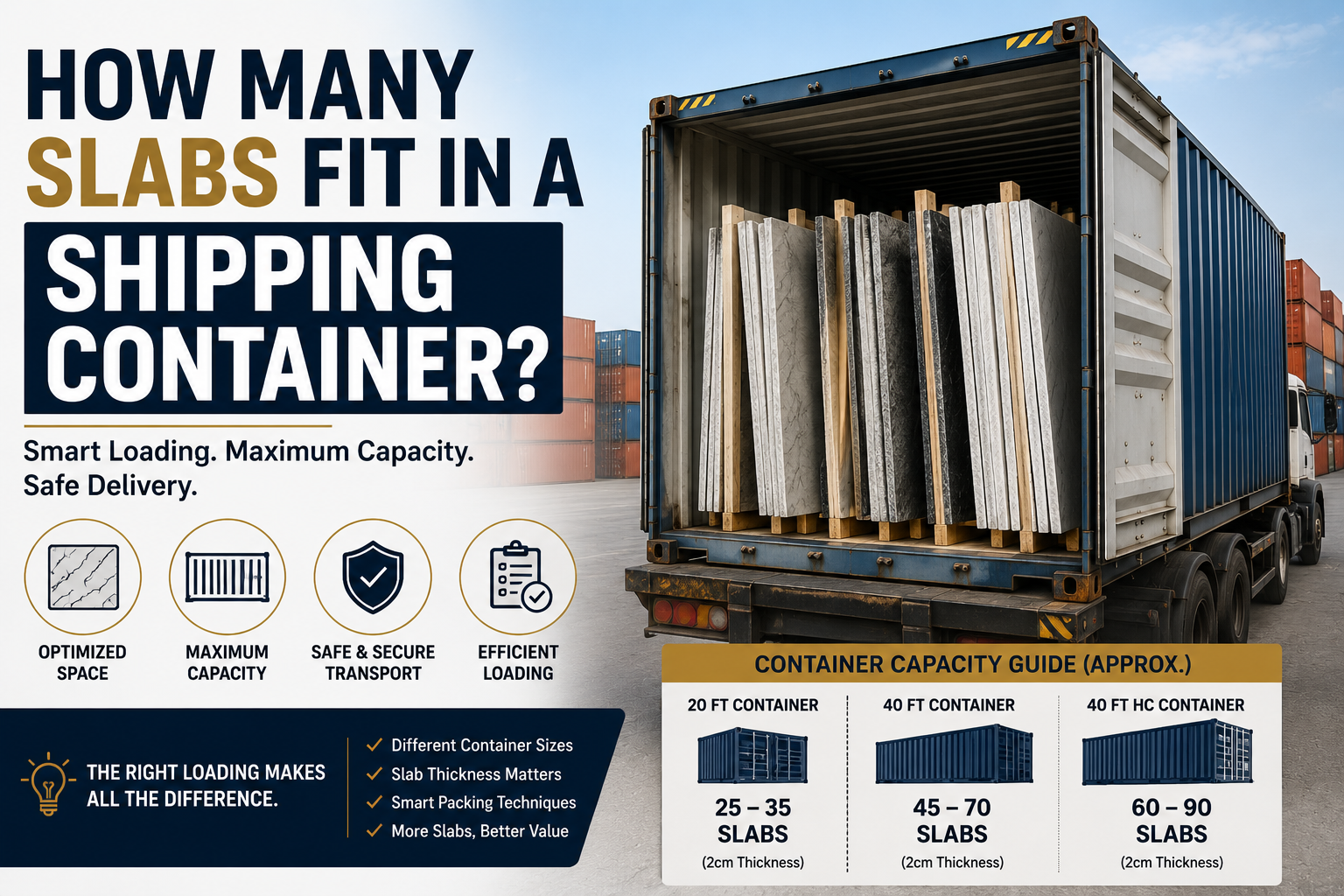
How Many Slabs Fit In A Container?
The number of slabs fighting in a container depends on the capacity of the container, slab thickness, size, and weight. A 20 ft container basically holds various thicknesses of marble, quartz, and granite slabs.
- Granite slabs (18–20 mm thickness):
Approx. 6 to 8 bundles
Around 100 to 130 slabs - Marble slabs (18–20 mm thickness):
Approx. 5 to 7 bundles
Around 80 to 110 slabs - Quartz slabs:
Typically heavier, around 70 to 100 slabs.
Each bundle has around 15–20 slabs, depending on the thickness and weight. At Nakul International, we use safe loading and unloading technique for ensuring the safety compliance with international shipping standards.
What Are The Key Factors That Affect Slab Capacity?
When you want to know how many slabsfits into one container, so there is no one size fits all on container, it mainly depends on the packaging, thickness, and every detailing factor determining the final capacity. Here are some key factors that affect slab capacity:
- 30 MM thickness slab are heavier and bulkier, which means fewer slabs can be loaded compared to thinner options.
- Stone type also affects the slab capacity, such as granite tiles, marble, and quartz, because their weight varies with the same size.
- Large slabs take up more space inside the corner, and reducing the number of slabs can easily fit in a container.
- As you know,w evecontainer has aave maximum weight capacity, the weight weith limit is not followed properly.
- Packaging methods also affect the exporting container space, such as wooden crates and frames.
At Nakul International we ensure every shipment is safely and carefully loaded while maintaining the capacity of the container.
What Kinds Of Packaging Methods Are Used For Slabs?
Choosing the best packaging method for natural stone slabs is essential for preventing damage during transit. Here are some common packaging methods & techniques for slabs
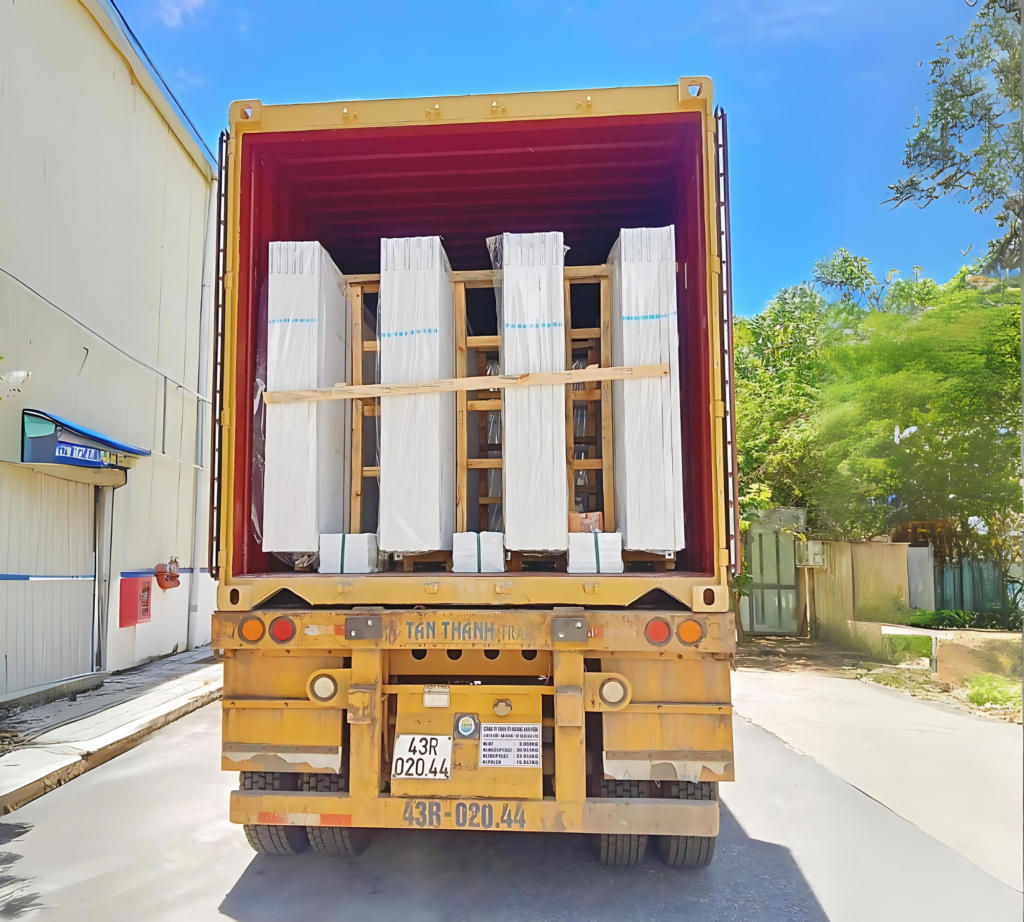
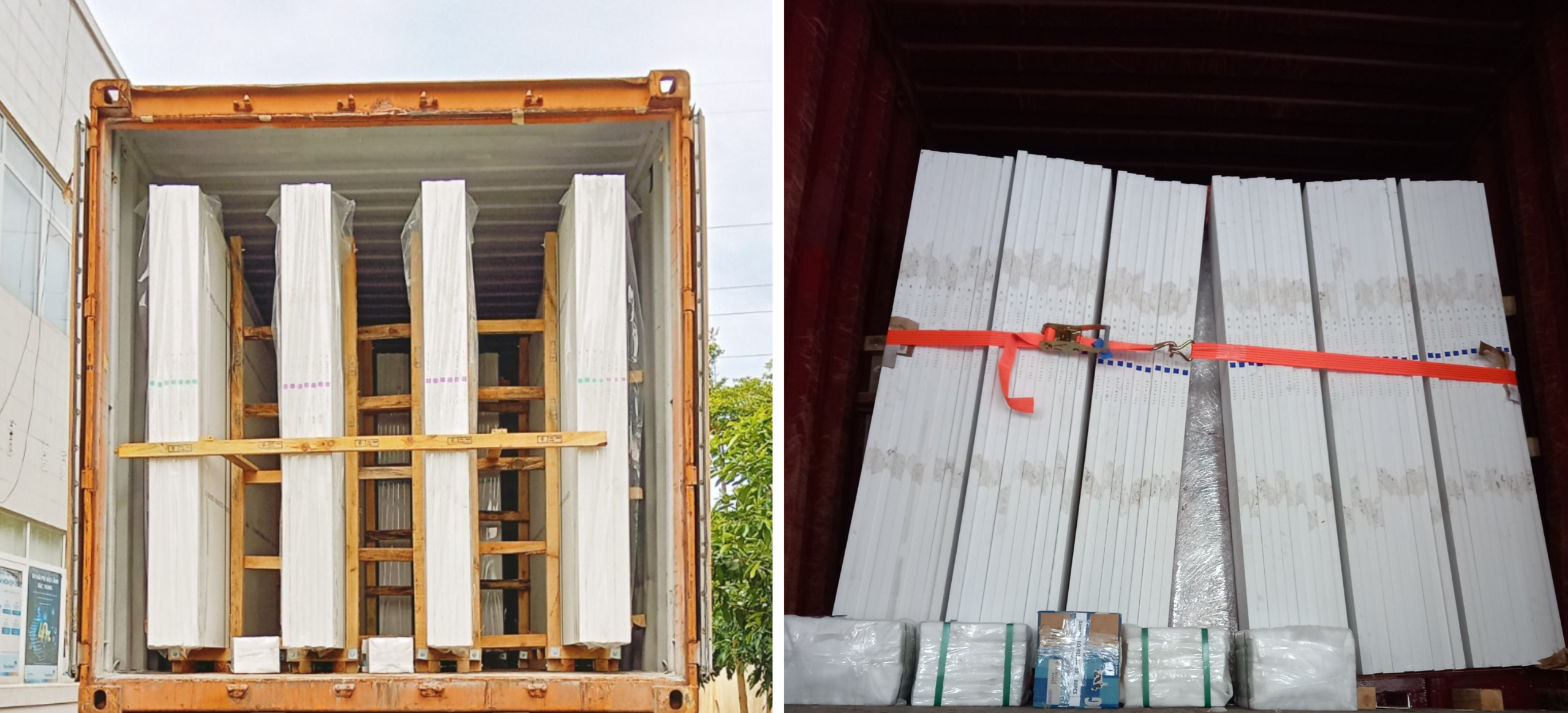
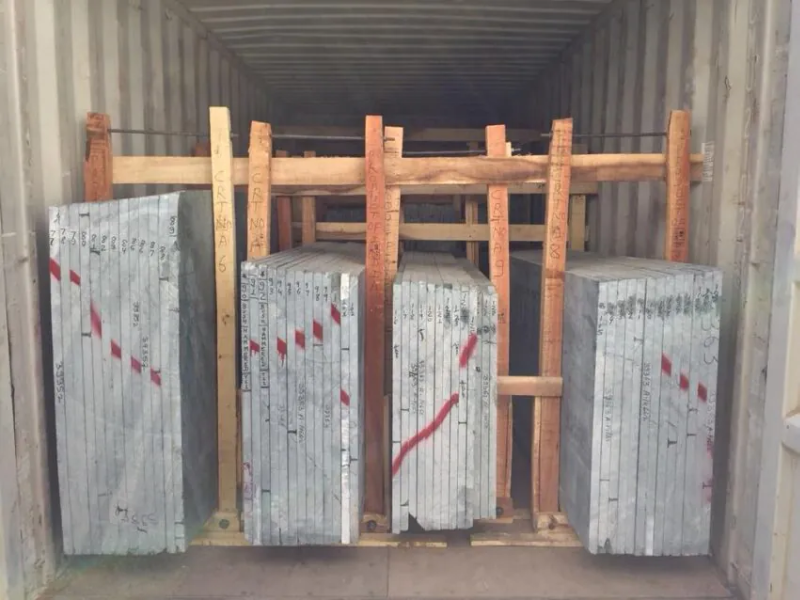
- Wooden crates: This method is widely used for exporting and importing slabs because slabs are stacked vertically and secured tightly.
- Frame packaging: this packaging method is widely used for large slabs & provide additional stability for all slabs.
- Protective materials: slab protective material also helps securely transport natural stone, such as Foam sheets, Plastic wrapping, and Edge protectors.
Nakul International uses protective material and wooden crates for securely transporting natural stone worldwide. We ensure every slab reaches its destination safely.
Why Are 20 Ft. Containers The Most Preferred For Stone Slabs?
The 20Ft containers are more preferred for slabs, as compared to 40ft, because this container offers more space, which is not perfect for heavy materials. Here are some advantages of 20Ft containers:
- Better weight management
- Lower risk of overloading
- Easier handling and unloading
- Reduced chances of slab damage
Which is why Nakul International uses the 20-foot exporting container for heavy slab exports.
What Is The Loading Process Of Nakul International?
At Nakul International, we don’t just believe in loading and fitting more slabs; it’s all about ensuring safety and minimizing damage. Here are some steps followed by our expert team:
- Inspection of slabs before packing
- Careful stacking into bundles
- Securing slabs with straps and supports
- Loading using cranes or forklifts
- Final weight check and container sealing
Why Choose Nakul International For Slab Export?
Choosing the leading natural stone exporter is most crucial. Nakul International has 25+ years of experience in the natural stone industry, they experienced team understands what their customer expect. They deliver every slab while ensuring smooth and hassle-free shipping. Here’s why Nakul International is the preferred choice for every slab export:
- High-quality material
- Container space optimizing
- Stronger and secure packaging
- Global timely delivery
- Transport communication
Conclusion:
By the essence of this topic, when you choose right partner, so they will help you to export natural stone safley and achive your import process better results for your busines.
People Also Ask About How Many Slabs Fit in a Shipping Container
Q.1: Is a marble or granite slab a matter for a shipping container?
A: marble granite slabs are commonly shipped in containers, with applied clear labels, and the number of slabs depends on size, thickness, and weight. It depends on the container’s maximum payload capacity.
Q.2 What factors affect the slabs’ fit in the container?
A: Various factors affect the slab fineness in containers, such as Slab size, thickness, weight, stone type, packaging method, bundle size, and the maximum weight limit, which affects slab fitness.
Q.3 What happens when slabs are fully loaded in a low-capacity container?
A: When you overload a low-capacity container, it can enhance the chances of risk of damage and lead to shipping delays and additional costs.
Q.4 How does Nakul International ensure slabs are shipped safely?
A: At Nakul International, we ensure slab safety by using export-grade wooden crates, secure bracing, protective packaging, and securely loading and unloading slabs to ensure slabs arrive safely.
Q.5 Does Nakul International export worldwide?
A: Yes, at Nakul International, we export high-quality granite stones and slabs across the globe with secure packaging and reliable shipping.