
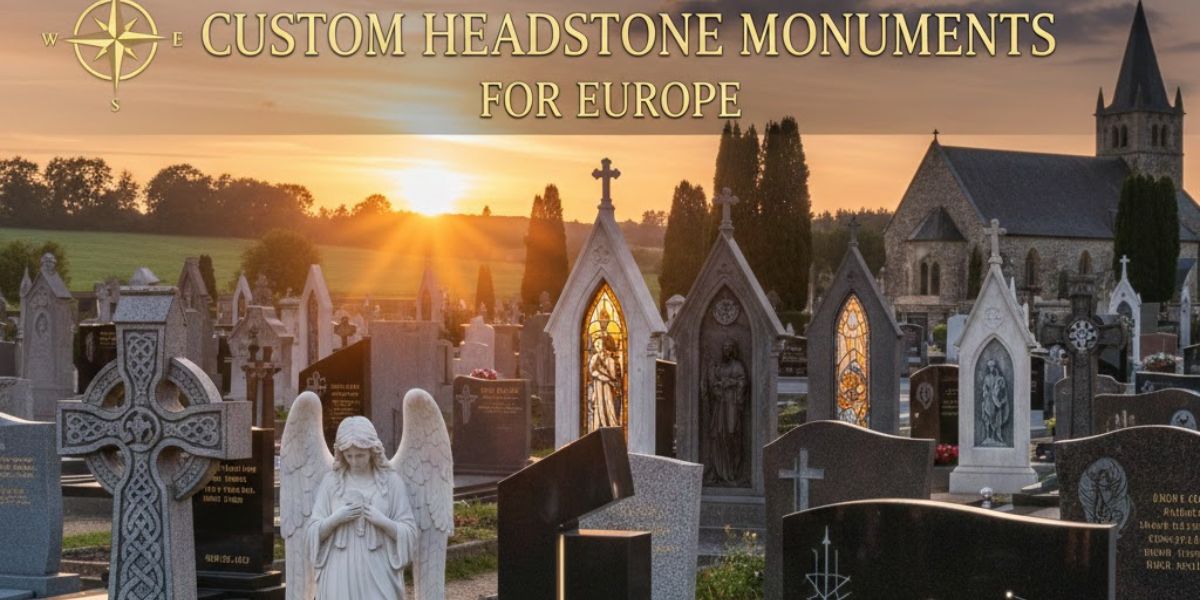
Custom headstone monuments hold deep cultural and emotional significance across Europe, serving as lasting tributes that honor life, memory, and heritage. While the purpose of a headstone is universal, its design reflects centuries of regional tradition, religious influence, and evolving personal expression. From historic churchyards in the United Kingdom to ornate family memorials in Southern Europe, headstones vary widely in size, shape, material, and style, shaped by both local customs and cemetery regulations.
This guide provides a comprehensive overview of custom headstone monuments in Europe, with a focus on standard sizes, popular shapes, and engraving preferences, helping families make informed and meaningful choices.
Introduction to Custom Headstone Monuments in Europe
European memorial traditions date back centuries, with cemeteries reflecting deep cultural and religious heritage. From historic churchyards in the UK to elaborate stone monuments in Southern Europe, headstones are often designed to balance respect for tradition with personal expression.
In recent decades, families have increasingly chosen custom headstone monuments to:
- Reflect individuality and family heritage
- Incorporate cultural or religious symbolism
- Create lasting, durable memorials suited to local climates
Despite customization, most European cemeteries maintain strict rules governing size, materials, and design, making informed planning essential.
Common Materials Used for European Headstones
Granite
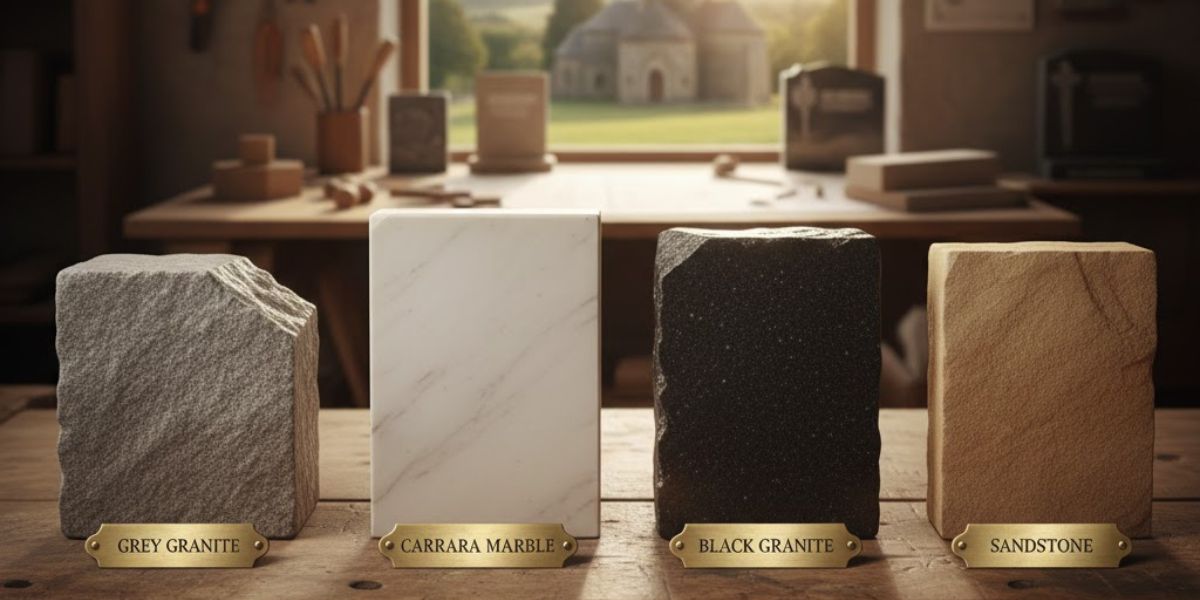
Granite is the most widely used material across Europe due to its:
- Exceptional durability
- Resistance to frost, rain, and pollution
- Wide color range (grey, black, red, blue, and green tones)
Polished granite is popular in Western and Northern Europe, while honed or matte finishes are often preferred in traditional churchyards.
Marble and Limestone
- Common in Southern Europe, especially Italy, Spain, and Greece
- Valued for their classic, elegant appearance
- Less resistant to harsh weather, requiring more maintenance
Sandstone and Slate
- Frequently used in historic cemeteries
- Favored for traditional or heritage-style memorials
- Softer stones with a more natural aesthetic
Material choice is often guided by cemetery regulations and regional climate conditions.
Standard Headstone Sizes Across Europe
Headstone sizes are not uniform across Europe and are often dictated by local cemetery authorities.
Single Grave Headstones
Typical dimensions include:
- Height: 60–120 cm
- Width: 45–75 cm
- Thickness: 5–10 cm
The UK and Northern Europe often favor smaller, understated monuments, while Central and Southern Europe may allow taller designs.
Double or Family Headstones
Designed for shared graves, these monuments:
- Are wider to accommodate multiple inscriptions
- Often include space for future engraving
- May feature a central panel with symmetrical design elements
Cremation and Urn Memorial Sizes
With cremation increasingly common:
- Flat plaques and lawn markers are widely used
- Sizes are usually compact and standardized
- Wall-mounted or niche plaques are common in columbaria
Cemetery Regulations and Restrictions
Regulations may specify:
- Maximum height and width
- Approved stone types
- Finish and color limitations
- Permitted symbols or imagery
Always consult cemetery authorities before finalizing a design.
Popular Headstone Shapes in Europe
Traditional Shapes
Traditional headstones remain popular across much of Europe:
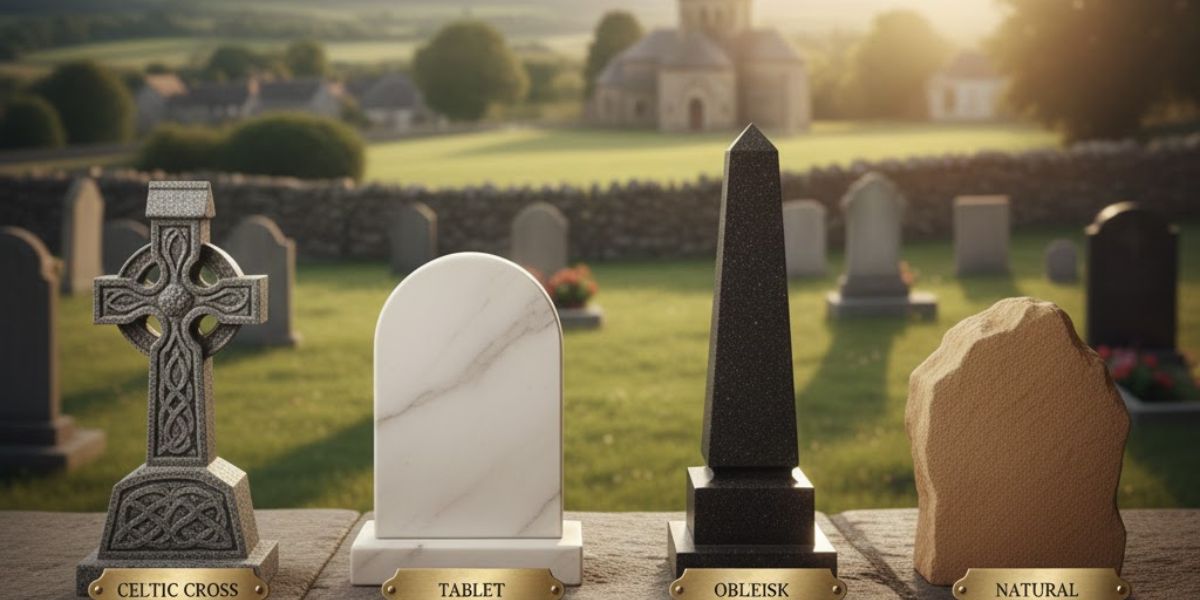
- Upright rectangular slabs
- Rounded, arched, or ogee tops
- Cross-shaped monuments in Christian cemeteries
- Celtic crosses, particularly in Ireland and parts of the UK
Contemporary and Modern Designs
Modern memorials are growing in popularity, especially in urban areas:
- Clean lines and minimalist profiles
- Curved or asymmetrical silhouettes
- Monolith-style stones
Mixed materials such as stone combined with metal or glass
Regional Shape Preferences
- Northern Europe: Simple, understated forms
- Western Europe: Balance of tradition and modern design
- Southern Europe: Larger, more decorative monuments
Engraving Preferences in European Headstones
Languages and Typography
Engravings are typically done in:
- Native languages or regional dialects
- Traditional serif fonts for classic designs
- Clean sans-serif fonts for modern memorials
Hand-carved lettering is valued for craftsmanship, while machine engraving ensures precision and consistency.
Common Engraving Content
Most European headstones include:
- Full name of the deceased
- Dates of birth and passing
- Short epitaphs or remembrance phrases
Symbolic and Artistic Engravings
Popular motifs include:
- Religious symbols (crosses, stars, scriptural references)
- Floral designs symbolizing remembrance and peace
- Nature elements such as trees, doves, or landscapes
- National or cultural symbols reflecting heritage
Portraits, Images, and Decorative Elements
Personal imagery has become increasingly common:
- Laser-etched portraits on granite
- Ceramic photo plaques resistant to weather
- Relief carvings and bas-relief artwork
- Gold leaf or painted lettering for emphasis
These elements add individuality while maintaining dignity.
Personalization Trends in European Memorials
Modern European families often seek deeper personalization through:
- Custom artwork or symbolic imagery
- Family crests or heraldic designs
- Inscriptions reflecting professions, passions, or values
- Discreet digital elements, such as memorial QR codes
- Eco-conscious memorials using natural finishes and sustainable materials
Religious and Cultural Considerations
Europe’s diversity is reflected in its memorial practices:
- Christian monuments often include crosses, prayers, or saints
- Jewish memorials typically feature upright stones with Hebrew inscriptions
- Muslim memorials emphasize simplicity and modest design
- Secular memorials focus on personal meaning without religious symbolism
- Respecting religious guidelines and cemetery rules is essential during design.
Installation, Maintenance, and Longevity
| Installation | Maintenance |
| Stability and safety | Granite requires minimal upkeep |
| Compliance with cemetery requirements | Marble and limestone may need periodic cleaning |
| Long-term durability | Avoid harsh chemicals to preserve engraving clarity |
Choosing the Right Custom Headstone Monument
When selecting a custom headstone, families should consider:
- Cemetery regulations and approval timelines
- Local climate and material durability
- Cultural and religious traditions
- Budget and long-term maintenance
Working with experienced monument providers like Nakul International helps ensure a respectful, compliant, and lasting memorial.
Conclusion
Custom headstone monuments in Europe represent a thoughtful balance between tradition, regulation, and personal expression. By understanding standard sizes, popular shapes, and engraving preferences, families can create meaningful memorials that honor loved ones with dignity and lasting beauty. Careful planning and expert guidance ensure that each monument stands as a respectful tribute for generations to come.
Frequently Asked Questions
What is a custom headstone monument?
A custom headstone monument is a personalized memorial marker placed at a burial site. It can be tailored in size, shape, material, finish, inscriptions, symbols, photos, and decorative elements to reflect the life and legacy of the deceased.
Are there regulations on headstone size in European cemeteries?
Yes. Most European cemeteries impose size and design limits based on:
- Plot type (single, double, family)
- Local municipal rules
- Historic or heritage graveyards
- Religious or denominational traditions
Before ordering a custom headstone, you must obtain cemetery approval.
Can I choose more artistic or bespoke shapes?
Yes. Many memorial craftsmen offer:
- Portrait shapes
- Silhouettes
- Laser-cut outlines
- Custom silhouette carvings (e.g., hobbies, landscapes)
However, complex shapes may cost more and require cemetery approval.
How does material affect longevity?
- Granite: weather-resistant; low maintenance
- Marble: elegant but can wear over time
- Sandstone: absorbs moisture; softer in wet climates
- Bronze: beautiful patina; requires occasional cleaning
Choose material based on climate, burial environment, and budget.