

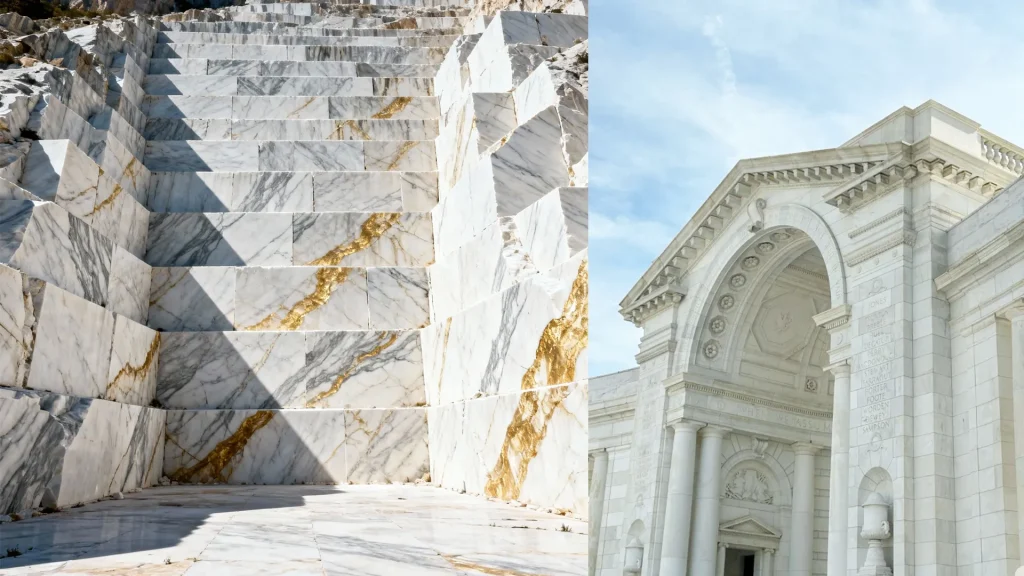
Want to discover the perfect natural stone monument in Europe for your special one or to give a lasting tribute? Did you know that the natural stone monuments in Europe have stood there for centuries? These natural stone monuments are not just beautiful, they survive for years & centuries. Because the natural stone monuments are built with durable materials like granite, marble, limestone & sandstone. Most European spaces prefer durable stone structures that are locked away in museums. Natural stone monuments & statues protect history to keep every public space functional, safe, and peaceful, and a lasting remembrance of history.
When you want to know about the natural stone monuments in Europe 7 why durability matters for public spaces so you are in the right place. In this article, we will explore the best natural stone monuments options and expose the secret of how monuments survive for centuries, such as weather & climate changes.
Demand For Natural Stone Monuments In Europe
The European natural stone market accounts for approximately 19% of the global revenue, and the market size is expected to grow 3.3% during the forecast period, 2023 to 2030, according to Cognitive Market Research.

What Is The Role Of Natural Stone In European Heritage Sites?
In European natural stones play a vital role in shaping and showing the honor of European heritage sites, it is easy to see why natural stones. The natural stones set a durable mindset because builders, houseowners trust marble, granite, and limestone that stand up to European harsh weather and remain stable for centuries. These natural stones don’t just offer you the aesthetic & elegant look, they add character, authenticity, and the sense of place to the historical structures. European natural stones help to maintain the original architectural identity while supporting long-term heritage efforts.
Why matters:
- Show historical authenticity and the original design
- Offers lasting durability and weather resistance
- Supports long-term and requires less restoration
- Shows’ visual cultural value of public places
- Helps to protect European architecture or legacy
Why Is Durability Most Important For European Heritage Sites?
Durability is most essential for every site, especially in Europe, because the European landmarks are exposed to nature, time, or human activity. Continuous evolution of new buildings and infrastructure development, the monuments are replaced or rebuilt when they are damaged. Various natural stone materials stand in harsh weather conditions, such as public areas, heavy foot traffic, and busy workplaces.
- Stands in harsh weather conditions and pollutants
- Preserve historical original craftsmanship
- Reduce the frequency of restoration needs
- It helps to protect cultural heritage in the long term
What Are The Types Of Natural Stones Used In European Monuments?
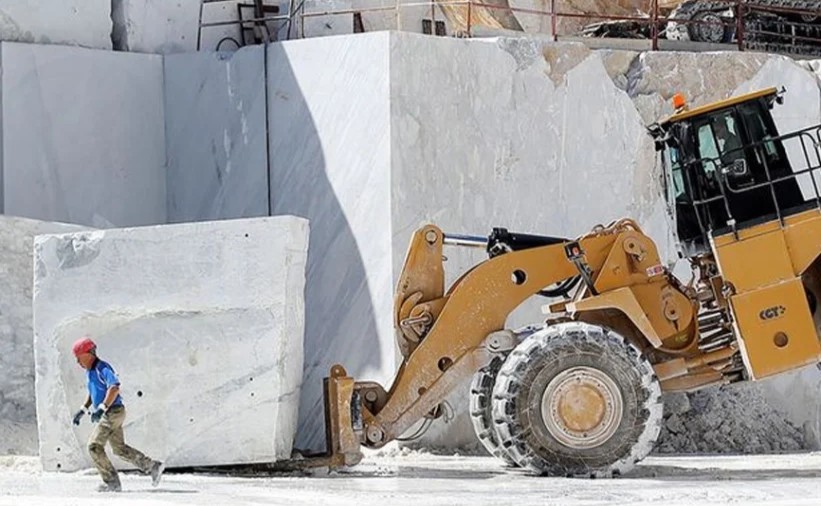
Most of the European monuments are built with natural stones like granite, marble, and limestone. This natural stone is most preferred because of its timeless elegance, beauty. Granite offers you the lasting and exceptional durability, marble adds elegance, and limestone stands with versatility. These stones are shaped in the most iconic heritage sites that show honor in public places.
- Granite monuments: Granite is considered the most durable & preferred material used in European monuments. It shows value & exceptional strength that stands up to the harsh extreme weather conditions. These natural stones are ideal for every European climate, which stands with minimal porosity, high density, because granite monuments and stone require less maintenance and show their original appearance for decades.
- Marble monuments: marble is considered the most elegant & european prestige architectural material; it contributes to statues and public areas in European countries. When the marble stone is properly maintained, it shows the historical significance and timeless appeal that make it a preferred choice.
- Limestone construction: Europeans prefer limestone because it is connected with their history and the versatility of shaping. The natural stone shows seamless & traditional looks over the centuries.
- Sandstone monuments: sandstone monuments are known for their timeless beauty and natural colour textures. It shows how to create the detailed carvings and architectural features.
How Are These Natural Stones Best Suited For European Climates?
| Stone | Climate Suitability | Key Benefit |
| Granite | Cold & wet | durable, resists freezing from the weather |
| Marble | Mild | Elegant, strong, with less maintenance |
| Limestone | Temperate & coastal | Ages gracefully, heritage-friendly solution |
| Sandstone | Dry & moderate | Weather-resistant, easy to carve |
Why Choose Nakul International For Natural Stone Monuments In Europe?
Nakul International is the leading company in the natural stone industry. This company is the trusted partner for delivering its durability, consistency, and premium natural stone solutions. Every European builder, houseowner, and cemetery successfully fulfills the demand of every person in Europe. This company is an Indian manufacturer that ensures every stone meets international quality standards. Choosing Nakul International means investing your money into centuries that show cultural heritage withstands European climates and inspires the new generation.
What We Offer:
- Granite gangsaw slabs
- Granite cutter slabs
- Granite tiles
- Marbles
People Also Ask: Natural Stone Monuments In Europe: Why Durability Matters For Public Spaces
Q.1 How long do granite monuments survive in European weather?
A: talks about granite monuments that survive various centuries and stand in Europe, every harsh weather.
Q.2 Which types of natural stone are most preferred in European cultural heritage?
A: European granite, limestone, and sandstone are the most preferred in the cultural heritage.
Q.3 What are the applications of granites in Europe?
A: Granite in European monuments was used in public areas, decades, sculptures, load-bearing structures, and cemeteries.
Q.4 Which is the oldest monument in Europe?
A: In England oldest monument is Stonehenge, and it is made from sarsen sandstone and smaller bluestones.