
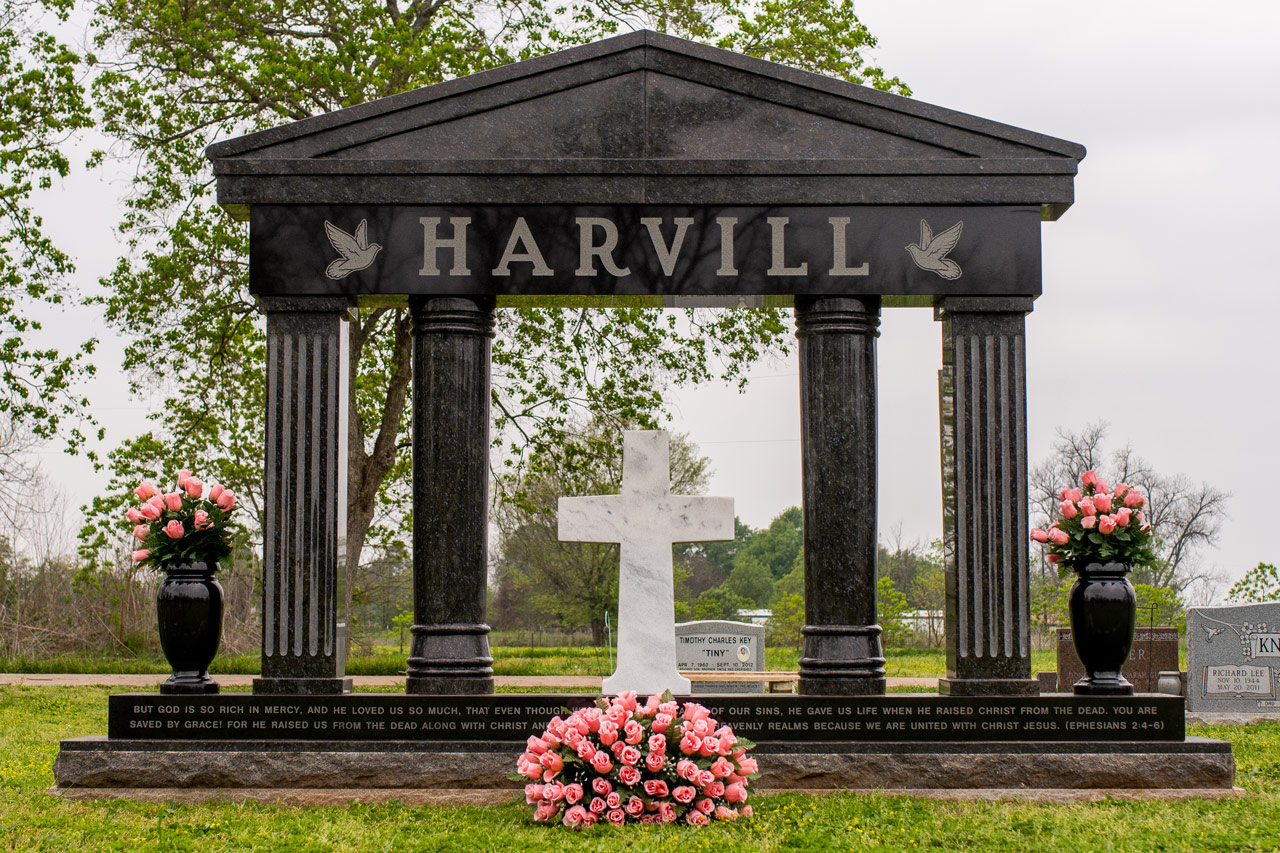
In preserving memories, honoring traditions and reflecting cultural values, tombstone monuments play a crucial role. However, the cemetery regulations that govern tombstone design, materials and installation differ significantly in each country across Europe. Here, Nakul International will provide you with everything you need to know about Tombstone Monuments and the key differences in cemetery rules across European countries.
According to 360 Research Reports, Europe’s cemetery & funeral services market is valued at somewhere around USD 30,085 million in 2025 because of the cemetery expansion and modernisation. Industry Research states that in 2025, Europe accounts for around 25% to 30% of the global tombstone market share, which reflects a strong demand for memorial products.
Wikipedia states that Cremation rates vary widely in Europe:
- Denmark: Around 86.8%
- Sweden: Approx. 82.9%
- United Kingdom: Around 79.8%
- France: Approx. 41.3%
- Italy: Approx. 36.4%
What Are Some Common European Cemetery Rules?
- Limits on Size and Design: African European countries place limits on the size and design of monuments in order to promote uniformity and safety.
- Use of Materials and Finishing: Though granite is the most commonly used stone, many other materials may be acceptable depending on the country. However, there may be limits on colour and finish.
- Inscription and Symbols: Approvals are generally required for inscription language, lettering style, and religious symbols to ensure compliance with cemetery and cultural standards.
- Installation and Safety Standards: To comply with safety standards, there are minimum requirements for tombstone foundations and installation.
- Approval Required: Most European cemeteries require prior approval for any tombstone or monument before a manufacturer can produce, or an installer may start work on, them.
What are the Country Wise Differences in Cemetery Rules?
There are several differences between countries’ cemetery rules, some of which include the following:
| Country | Key Cemetery Rules & Regulations |
| United Kingdom |
|
| Germany |
|
| France |
|
| Italy |
|
| Spain |
|
| Netherlands |
|
| Belgium |
|
| Nordic Countries |
|
Material Preferences and Compliance Across Europe
Across the European Union (EU) many regulations apply to business’ compliance with Material Preferences and Compliance.
REACH (EU) – Restrictions of Toxic Chemicals (SVHC) – All Products manufacturers/importers are required to register and manage the risk of SVHCs.
RoHS (EU/Worldwide) – Restrictions of Hazardous Substances (PBMC and Mercury) – All Electrical and Electronic Equipment (EEE) manufacturers/importers must register and manage the risk of hazardous substances in EEE.
GPSR (EU) – Extension of Requirements – GPSR incorporates requirements for all Consumer Products (CP) including Risk Assessment and Liability.
EUDR (EU) – The European Union Deforestation-free Reporting Directive – The EUDR requires manufacturers/importers of material (Wood/Cocoa/Coffee, etc.) ensure the Material has not been sourced from Deforestation practices.
Religious, Cultural and Environmental Considerations
Christian cemeteries (Europe) allow more flexibility in design and appearance; crosses, inscriptions from the Bible, etc. Jewish cemeteries restrict religious symbols such as Stars of David and the language allowed on headstones; Muslim burial practices have distinct rules regarding cemetery design and use of monuments.
Environmental awareness is also influencing cemetery regulations today. Many countries are encouraging the following practices:
- Sustainable Stone Sourcing
- Natural Finishes
- The Avoidance of Chemicals
- Low Maintenance Design Elements
All these factors will impact the level of approval required for a monument.
What are the Major Challenges Faced by Importers and Monument Suppliers?
When exporting tombstone monuments to Europe, importers and memorial suppliers must work together with importers to manage:
- National and local laws that differ from country to country
- Different market requirements necessitate design changes
- Documenting and validating the source of raw materials
- Shipping and packaging requirements vary from one nation to another
How Does Nakul International Support European Monument Requirements?
Nakul International was founded in Mysore, Karnataka in 1999 by Mr. Jitendar Agarwal and has been a leading Indian Granite exporter for more than 25 years. Nakul International is a manufacturer and exporter of high-end natural stone products, such as tombstone monuments built to international specifications.
We help European companies find high-quality tombstone monuments by:
- Developing tombstone monument designs that meet country-specific laws and regulations
- Providing premium granite and stone to customers
- Ensuring that the granite used is ethically sourced and meets all quality standards
- Providing secure packaging and transportation capability to export to Europe safely.
What Key Considerations Should You Know Before Exporting Tombstone Monuments to Europe?
You should consider several factors before exporting Tombstone monuments to Europe, some of which include:
- Verify local cemetery authority guidelines
- Confirm approved materials and finishes
- Obtain design approvals before production
- Partner with an experienced exporter
Frequently Asked Questions About Tombstone Monuments
Question 1. Are the rules regarding tombstone monuments in cemeteries different for all European countries?
Answer. Yes, different rules concerning the size, building materials, design, markings, and standards for installation of monuments exist within European Countries and also often differ between Municipalities within those Countries.
Question 2. Why do some European cemeteries have rules restricting designs of monuments?
Answer. Reasons for the restrictions include cultural customs and practices, religious beliefs, limited availability of burial space, safety standards set by local authorities, and local Environmental Policies concerning Sustainability.
Question 3. What type of impact do religious practices have on the rules for tombstones within Europe?
Answer. Religious customs greatly affect monument regulations, especially in Catholic, Protestant, and Jewish cemeteries where there are specific symbols, inscriptions and styles for monuments which must be adhered to or prohibited.
Question 4. What challenges are there in exporting monuments for those importing the monuments to Europe?
Answer. Challenges faced by importers include differing rules and regulations, the need for design modifications to meet local regulations, the need for approvals on building materials, the need to provide complete documentation and proof that their source of building material adheres to ethical sourcing standards.